
General Surgery Department - Advanced Surgical Care in Dibrugarh
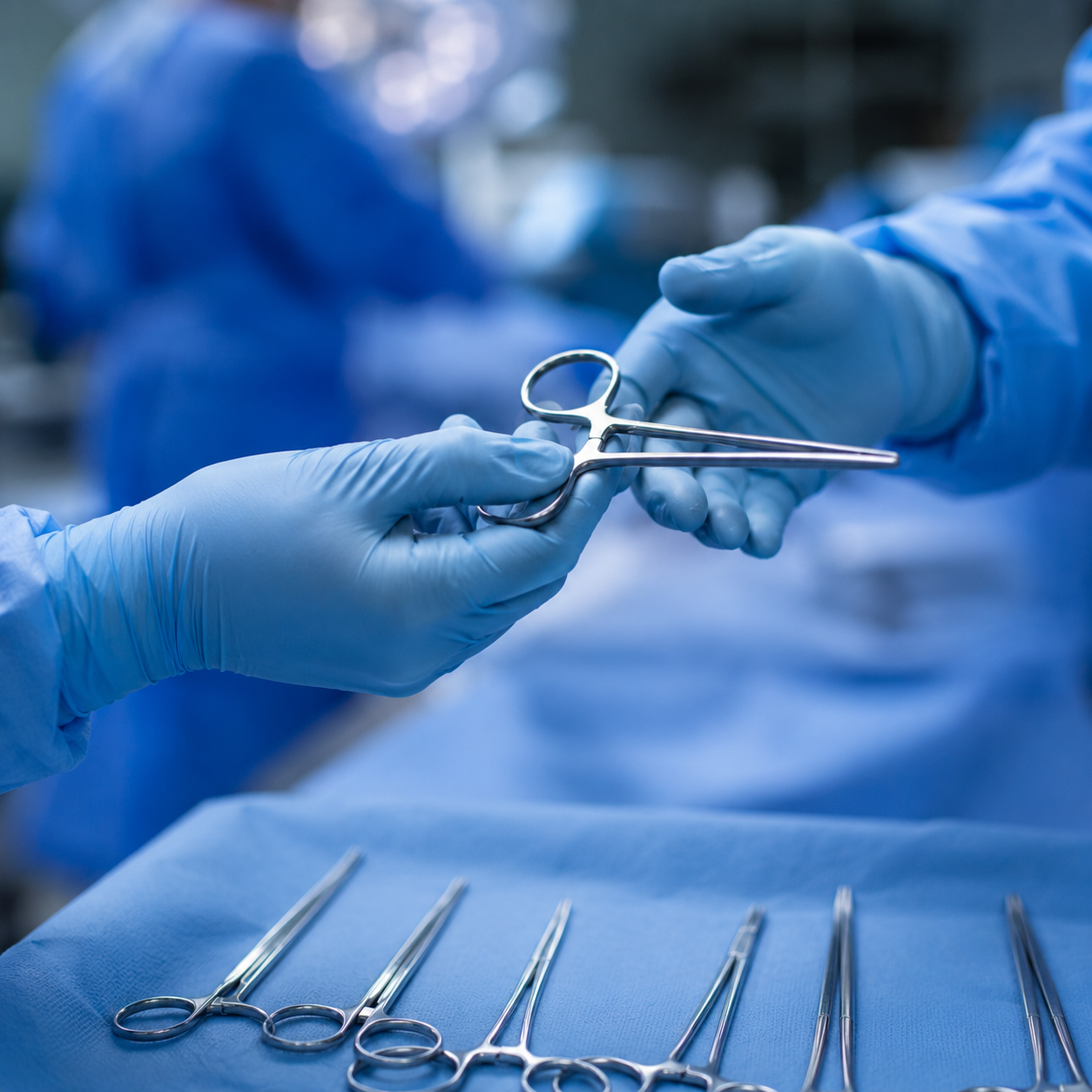
The General Surgery Department at Srimanta Sankardeva Hospital, Dibrugarh provides safe and effective surgical care for a wide range of medical conditions. Our experienced general surgeons perform both planned and emergency surgeries using modern techniques, including minimally invasive laparoscopic procedures. From appendix removal and gallbladder surgery to trauma care and complex abdominal operations, the department focuses on accurate diagnosis, patient safety, and faster recovery.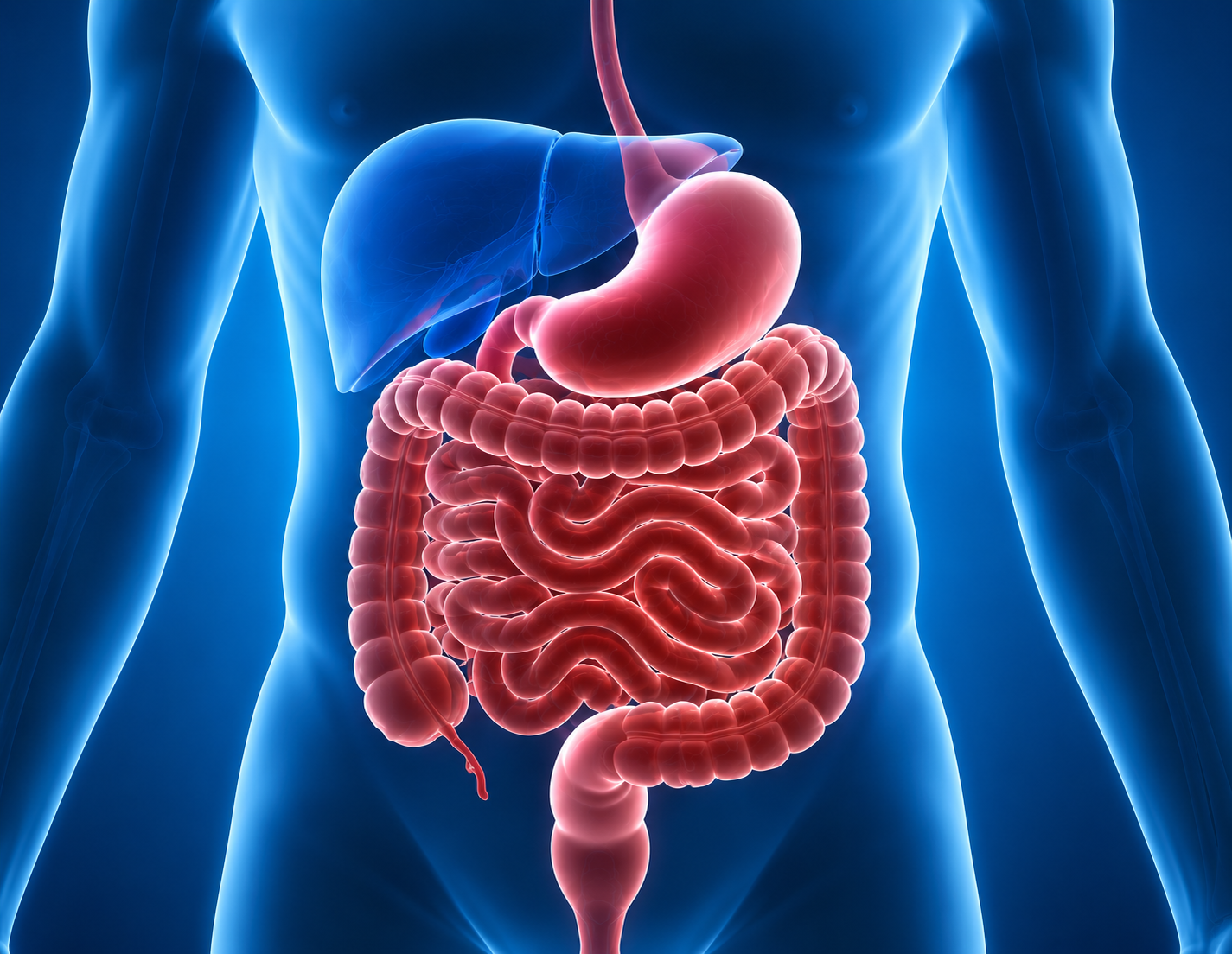
What Does the General Surgery Department Treat?
- Appendix and gallbladder diseases
- Hernia and abdominal wall conditions
- Piles, fistula, and anorectal disorders
- Thyroid and breast conditions
- Intestinal blockage and perforation
- Trauma and emergency surgical conditions
Our surgical team works closely with other departments to provide complete and coordinated patient care.
Common General Surgeries Performed
Appendectomy
Appendectomy is the surgical removal of the appendix, usually performed when appendicitis causes severe abdominal pain. Both open and laparoscopic approaches are available depending on the patient’s condition.
Cholecystectomy (Gallbladder Removal)
Laparoscopic cholecystectomy is commonly performed for gallstones or gallbladder infection. This minimally invasive surgery helps reduce pain and recovery time.
Hernia Repair Surgery
Our surgeons treat inguinal, umbilical, and incisional hernias using open or laparoscopic techniques to strengthen the abdominal wall and prevent complications.
Hemorrhoidectomy & Fistula Surgery
Treatment for piles and anal fistulas focuses on relieving pain, controlling infection, and improving long-term quality of life.
Breast and Thyroid Surgeries
Procedures such as lumpectomy, mastectomy, biopsy, and thyroidectomy are performed with careful planning and monitoring.
Exploratory Laparotomy
This procedure helps surgeons identify and treat complex intra-abdominal problems when diagnosis is unclear or emergencies arise.
Major & Critical Life-Saving Surgeries
The General Surgery team at Srimanta Sankardeva Hospital provides emergency surgical care for serious and life-threatening conditions.
-
Emergency Appendectomy
Immediate surgery is required when the appendix ruptures, causing infection or peritonitis.
-
Perforation Closure Surgery
Used to repair holes in the stomach or intestines caused by ulcers, infection, or injury.
-
Bowel Obstruction Surgery
Removes or corrects blockages in the intestine to restore normal digestive function.
-
Trauma Laparotomy
Performed during severe abdominal injuries to control bleeding and repair damaged organs.
-
Splenectomy
Removal of the spleen may be necessary after trauma or internal bleeding.
-
Resection & Anastomosis
This surgery removes diseased or gangrenous sections of the intestine and reconnects healthy tissue.
-
Debridement of Infected Tissue
In cases of severe infection or necrotizing fasciitis, infected tissue is removed to prevent further spread.
-
Emergency Laparoscopic Procedures
Diagnostic laparoscopy and urgent minimally invasive surgeries help evaluate internal injuries quickly.
Key Laparoscopic (Minimally Invasive) Surgeries
Minimally invasive surgery uses small incisions and advanced instruments, allowing faster healing and reduced discomfort.
-
Laparoscopic Appendectomy
Provides quicker recovery and minimal scarring compared to traditional surgery.
-
Laparoscopic Cholecystectomy
Considered the standard treatment for gallstones with shorter hospital stays.
-
Laparoscopic Hernia Repair (TAPP/TEP)
Advanced repair techniques reduce post-operative pain and recurrence.
-
Diagnostic Laparoscopy
Used to evaluate unexplained abdominal pain, trauma, or suspected cancer.
-
Splenectomy
Removal of the spleen may be necessary after trauma or internal bleeding.
-
Resection & Anastomosis
This surgery removes diseased or gangrenous sections of the intestine and reconnects healthy tissue.
-
Advanced Laparoscopic Surgeries
In specialized cases, procedures such as colectomy, bariatric surgery, adrenalectomy, or splenectomy may be performed.
Symptoms That May Require Surgical Consultation
- Severe or persistent abdominal pain
- Swelling or lump in abdomen or groin
- Rectal bleeding or painful bowel movements
- Sudden vomiting with abdominal swelling
- Injury to abdomen after trauma
Early consultation with a general surgeon helps prevent complications and allows timely treatment.
Why Choose Srimanta Sankardeva Hospital for Surgical Care?
- Experienced general surgeons and surgical team
- Modern operation theatre facilities
- Availability of laparoscopic surgery
- Emergency and trauma surgical support
- Focus on patient safety and post-operative recovery
Our goal is to provide compassionate care while ensuring safe surgical outcomes.
Associated Specialists
Our Medical Departments
Our Pillars of Strength enabling US to provide YOU the BEST
A range of Specialized Healthcare Services ensures holistic health for you.
 Cardiology
 Dentistry
 Diabetologist
 Gastroenterology
 General Surgery
 Internal Medicine
 Nephrology
 Neurology & Neurosurgery
 Obstetrics & Gynecology
 Oncology & Oncosurgery
 Orthopaedics & Orthopaedic Surgery
 Paediatrics
 Radiology
 Urology
Doctors
Theatres
Service
Our Facilities
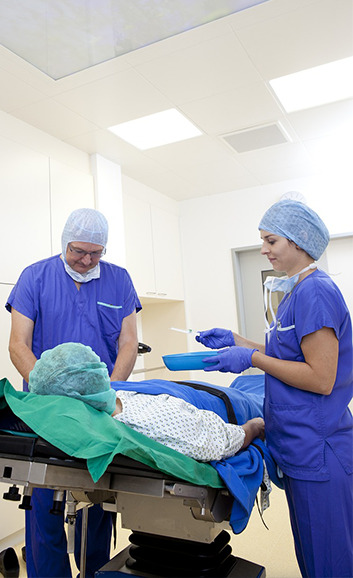
We have 4 Modern Operation Theatres, including 1 Neurosurgical Operation Theatre, & 3 General Operation Theatres for conventional and Laparoscopic surgeries, with Karl-Storz lap. equipment from Germany. We are well equipped with state-of-the-art medical equipment, accompanied with Centralised Medical Gas Supply System & Central Suction System.
We have a special OT set-up for Orthopaedic Surgeries, equipped with advanced digital surgico 60 H C-Arm with the latest image intensifier system, Pneumatic Drill from Switzerland, and other sophisticated equipment. All kinds of Orthopaedic Surgeries are done here by Senior Orthopaedic Surgeons on a regular basis.
Our Neurosurgery O.T. is well equipped with State-of-the-Art equipment for all types of surgeries related to Brain, Head injuries, & accident & trauma care, and is equipped with a Carl-Zeiss microscope. Our Neurosurgery Department is one of the most experienced and reliable units in the city.
Our Urology O.T. is well equipped for all types of Uro-surgeries.
Neurosurgical ICU
We have a well-equipped state of the art modern Neurosurgical I.C.U. with multiple ventilators, for patients requiring treatment for Accident, Stroke & Head injury. Open 24x7, our Neurosurgical ICU fulfils all criteria of Modern ICU emergency services as per the norms.
CCUs & MICUs
We have advanced intensive care units (ICU) for critically ill patients. We take utmost care to facilitate speedy recovery. Casualties from any medical field are prevented by having life support system and other advanced modalities. ICU is equipped with - Modern Multi-parameter Monitoring System, Ventilator, Infusion pumps, Defibrillator, Centralised Medical Supply and Centralised Suction Unit under the supervision of well-trained Anaesthetists and GNM Nurses available round the clock.
Neonatal ICU
We have an ultra-modern Neonatal ICU (Baby Room) equipped with incubators, monitors, infusion pump CPAP, APNEA monitor, Phototherapy unit with full-time experienced Paediatrician, and well trained GNM nurses, available 24 hours to take care of newborn & unwell infants.
We have a comprehensive OBGYN Intensive Care Unit under a Gynaecologist of our own.
We have a well-equipped state of the art modern Blood Bank for patients requiring Blood transfusion. The patients can avail this facility on 24 hours basis. Our Blood Bank fulfils all criteria of Modern Blood Bank services as per the norms of Drugs & Cosmetics Act & Rules.
24 x 7 Accident and Trauma Care with well equipped Casualty Unit
24 x 7 Pharmacy
24 x 7 Reception Desk to better assist our Patients.
1. The Hospital is equipped with an Effluent Treatment Plant (ETP) facility for safe disposal of waste water. The facility has been in-place and operational since inception, as per approval of Pollution Control Board, Assam
2. SSHRI has 2 Generators to provide 24 x 7 power back-up to the campus in the event of power-cuts.
3. SSHRI comes equipped with a Medical Gas Manifold Room, designated storage areas for emergency stocking of medical gas, and well-trained supervisors to look after the unit.
4. For BMW disposal, we have a tie-up with Assam Medical College Hospital for the use of their incinerator service.
5. Our Hospital has 2 ambulances, with all supporting facilities as per NABH guidelines, available 24x7 for transportation of patients. At least one driver is on stand-by at any given time of the day
a. For transportation of deceased, SSHRI has a tie-up with a local ambulance operator, thereby outsourcing this particular service
6. SSHRI has a mortuary facility in-house.
FAQs
Answer:
A general surgeon treats a wide range of conditions, including abdominal pain, appendicitis, hernias, gallbladder and bile duct disorders, trauma-related injuries, infections requiring surgical intervention, and lumps, cysts, and other minor surgical conditions.
Answer:
Laparoscopic surgery is a minimally invasive surgical technique that uses small incisions and specialized instruments. It is associated with less pain, faster recovery, and is commonly used for procedures such as gallbladder removal, hernia repair, and appendectomy.
Answer:
The Orthopaedics Department offers various diagnostic tests, including digital X-rays, CT scans, MRI scans for ligament and spine evaluation, bone density testing, ultrasound for soft tissue injuries, and clinical gait and mobility assessments.
Answer:
Emergency surgery may be required for conditions such as severe abdominal pain, internal bleeding, trauma-related injuries, acute appendicitis, bowel obstruction, or rapidly worsening infections that need immediate medical attention.
Answer:
To prepare for general surgery, you should follow fasting instructions provided by your doctor, share your complete medical history and current medications, complete any recommended preoperative tests, and arrange for someone to assist you after the procedure.
Answer:
Minor surgery refers to small and relatively simple procedures that are usually performed under local anesthesia and involve a short recovery period. Common examples include cyst removal and wound repair.
Answer:
Recovery after laparoscopic surgery depends on the specific procedure performed, but most patients can go home on the same day or the next day and return to normal activities within one to two weeks, following their doctor’s recommendations.
Answer:
Some discomfort after general surgery is normal, but pain levels vary depending on the procedure. Pain is typically managed effectively with medications to ensure a comfortable recovery.
Answer:
Not all surgeries can be performed laparoscopically. The suitability of laparoscopic surgery depends on the patient's condition, overall health, and the complexity of the surgical procedure. Your surgeon will recommend the most appropriate approach.
Answer:
Like any medical procedure, surgery carries certain risks, including infection, bleeding, pain or swelling, and reactions to anesthesia. Your surgeon will discuss these risks before the procedure.
Answer:
The decision between surgery and medical treatment is made after a thorough clinical evaluation, diagnostic testing, and a discussion of the potential risks, benefits, and alternative treatment options.
Answer:
After surgery, follow-up care typically includes wound checks, dressing changes, scheduled follow-up visits, and monitoring for symptoms such as fever, redness, or increased pain, which should be reported to your doctor promptly.