
Orthopaedic Department - Bone, Joint & Trauma Care in Dibrugarh
The Orthopaedic Department at Srimanta Sankardeva Hospital, Dibrugarh provides comprehensive care for bone, joint, spine, and trauma-related conditions. Our orthopedic surgeons focus on restoring mobility, reducing pain, and helping patients return to their daily activities through advanced surgical and non-surgical treatment options. From fracture fixation to joint replacement and emergency trauma surgery, we offer safe and patient-focused orthopedic care supported by modern technology.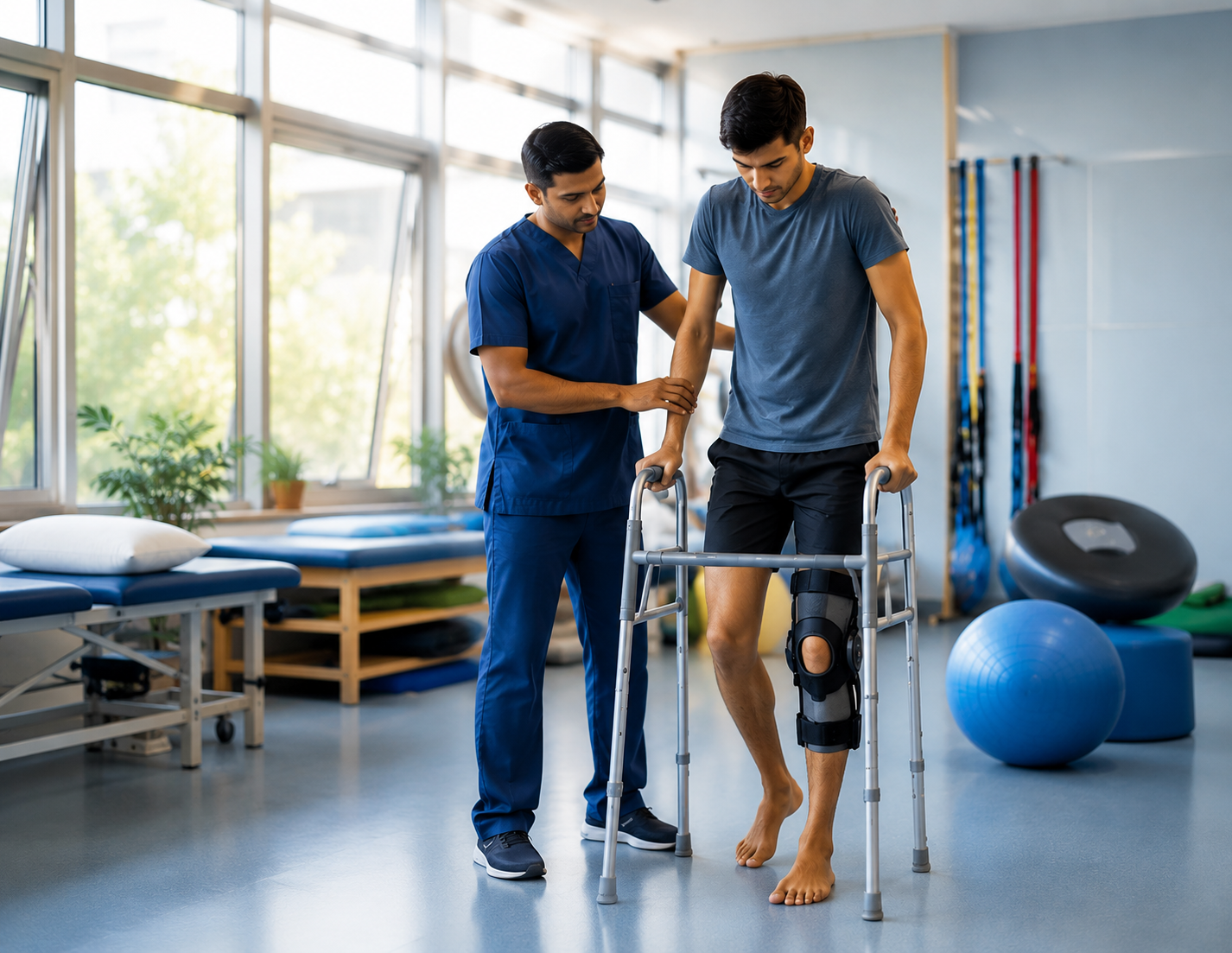
What Does the Orthopaedics Department Treat?
Our orthopedic specialists diagnose and manage a wide range of musculoskeletal problems, including:
- Bone fractures and traumatic injuries
- Joint pain and arthritis
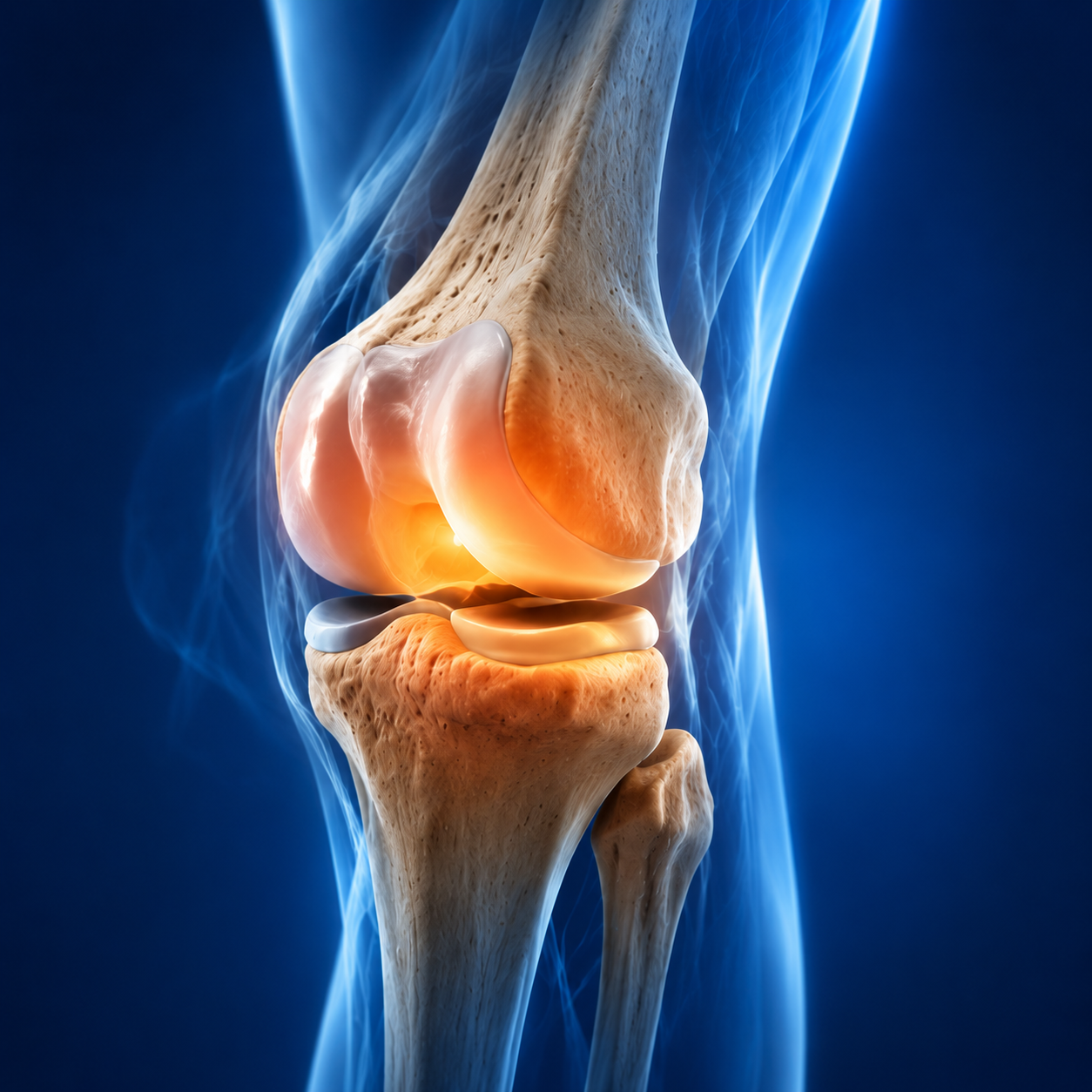
- Knee and hip joint damage
- Spine problems such as slipped discs
- Sports injuries and ligament damage
- Severe trauma requiring emergency surgery
Patients experiencing persistent joint pain, difficulty walking, swelling, or injury-related discomfort are encouraged to consult an orthopedic surgeon for early diagnosis.
Orthopaedic Conditions Managed by Our Specialists
Fractures & Bone Injuries
Broken bones caused by accidents, falls, or trauma require proper stabilization. Early fracture treatment helps bones heal correctly and prevents long-term complications.
Arthritis & Joint Degeneration
Conditions like osteoarthritis can cause stiffness and severe pain. Joint replacement procedures help restore movement and improve quality of life.
Spine Disorders
Slipped discs, spinal injuries, and nerve compression can lead to back pain or weakness. Spine surgery may be recommended when conservative treatments are not effective.
Trauma & Emergency Orthopaedic Conditions
Severe injuries such as pelvic fractures or compartment syndrome require immediate surgical care to prevent muscle and nerve damage.
Orthopaedic Procedures & Treatments Available
-
Fracture Fixation
Fracture fixation involves the use of plates, screws, or rods to stabilize broken bones. This procedure allows bones to heal in the correct position and helps patients regain mobility safely. It is commonly used for long bone fractures, complex injuries, and trauma cases.
-
Joint Replacement Surgery (Hip & Knee)
Joint replacement is recommended when arthritis or joint damage causes severe pain and reduced movement. During the procedure, damaged joints are replaced with artificial implants designed to restore function and improve mobility. Many patients experience significant pain relief after surgery.
-
Spine Surgery – Decompression & Fixation
Spine surgery may be required for slipped discs, spinal instability, or nerve compression. Decompression procedures relieve pressure on nerves, while fixation stabilizes the spine using specialized implants. These treatments aim to reduce pain, prevent paralysis, and restore daily function.
-
Emergency Trauma Surgery
Orthopaedic emergencies require quick and precise care. Our trauma surgery services include:
- Pelvic fracture surgery for severe injuries with bleeding risk
- Fasciotomy for compartment syndrome to protect muscles and nerves
- Stabilization procedures for accident-related injuries
Early intervention plays a critical role in recovery.
-
Amputation Surgery
In cases of severe trauma, infection, or gangrene, amputation may be necessary to protect overall health. Our team focuses on safe surgical care along with rehabilitation support to help patients adapt and regain independence.
-
Replantation Surgery
Replantation involves reattaching a severed limb or finger after traumatic injury. Timely surgical care improves the chances of restoring movement and sensation.
Symptoms You Should Not Ignore
If you experience any of the following symptoms, consider consulting an orthopedic specialist:
- Persistent joint pain or stiffness
- Swelling after injury
- Difficulty walking or standing
- Numbness or weakness in limbs
- Severe back or neck pain
- Bone deformity after trauma
Early diagnosis helps prevent complications and supports faster recovery.
Why Choose the Orthopaedics Department at Srimanta Sankardeva Hospital?
- Experienced orthopedic surgeons and trauma specialists
- Advanced surgical techniques and modern operation theatres
- Comprehensive fracture and joint care
- Emergency trauma support
- Patient-focused rehabilitation approach
Our goal is to provide safe treatment that improves mobility while maintaining patient comfort and trust.
Associated Specialists
Our Medical Departments
Our Pillars of Strength enabling US to provide YOU the BEST
A range of Specialized Healthcare Services ensures holistic health for you.
 Cardiology
 Dentistry
 Diabetologist
 Gastroenterology
 General Surgery
 Internal Medicine
 Nephrology
 Neurology & Neurosurgery
 Obstetrics & Gynecology
 Oncology & Oncosurgery
 Orthopaedics & Orthopaedic Surgery
 Paediatrics
 Radiology
 Urology
Doctors
Theatres
Service
Our Facilities
We have 4 Modern Operation Theatres, including 1 Neurosurgical Operation Theatre, & 3 General Operation Theatres for conventional and Laparoscopic surgeries, with Karl-Storz lap. equipment from Germany. We are well equipped with state-of-the-art medical equipment, accompanied with Centralised Medical Gas Supply System & Central Suction System.
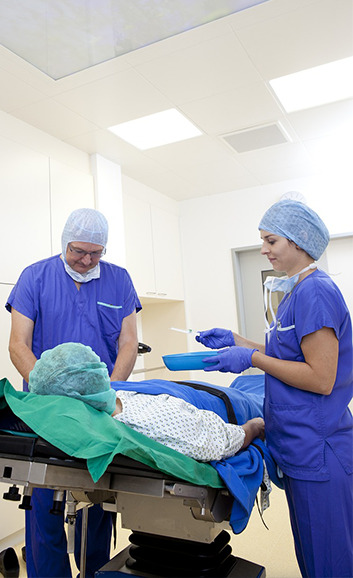
We have a special OT set-up for Orthopaedic Surgeries, equipped with advanced digital surgico 60 H C-Arm with the latest image intensifier system, Pneumatic Drill from Switzerland, and other sophisticated equipment. All kinds of Orthopaedic Surgeries are done here by Senior Orthopaedic Surgeons on a regular basis.
Our Neurosurgery O.T. is well equipped with State-of-the-Art equipment for all types of surgeries related to Brain, Head injuries, & accident & trauma care, and is equipped with a Carl-Zeiss microscope. Our Neurosurgery Department is one of the most experienced and reliable units in the city.
Our Urology O.T. is well equipped for all types of Uro-surgeries.
Neurosurgical ICU
We have a well-equipped state of the art modern Neurosurgical I.C.U. with multiple ventilators, for patients requiring treatment for Accident, Stroke & Head injury. Open 24x7, our Neurosurgical ICU fulfils all criteria of Modern ICU emergency services as per the norms.
CCUs & MICUs
We have advanced intensive care units (ICU) for critically ill patients. We take utmost care to facilitate speedy recovery. Casualties from any medical field are prevented by having life support system and other advanced modalities. ICU is equipped with - Modern Multi-parameter Monitoring System, Ventilator, Infusion pumps, Defibrillator, Centralised Medical Supply and Centralised Suction Unit under the supervision of well-trained Anaesthetists and GNM Nurses available round the clock.
Neonatal ICU
We have an ultra-modern Neonatal ICU (Baby Room) equipped with incubators, monitors, infusion pump CPAP, APNEA monitor, Phototherapy unit with full-time experienced Paediatrician, and well trained GNM nurses, available 24 hours to take care of newborn & unwell infants.
We have a comprehensive OBGYN Intensive Care Unit under a Gynaecologist of our own.
We have a well-equipped state of the art modern Blood Bank for patients requiring Blood transfusion. The patients can avail this facility on 24 hours basis. Our Blood Bank fulfils all criteria of Modern Blood Bank services as per the norms of Drugs & Cosmetics Act & Rules.
24 x 7 Accident and Trauma Care with well equipped Casualty Unit
24 x 7 Pharmacy
24 x 7 Reception Desk to better assist our Patients.
1. The Hospital is equipped with an Effluent Treatment Plant (ETP) facility for safe disposal of waste water. The facility has been in-place and operational since inception, as per approval of Pollution Control Board, Assam
2. SSHRI has 2 Generators to provide 24 x 7 power back-up to the campus in the event of power-cuts.
3. SSHRI comes equipped with a Medical Gas Manifold Room, designated storage areas for emergency stocking of medical gas, and well-trained supervisors to look after the unit.
4. For BMW disposal, we have a tie-up with Assam Medical College Hospital for the use of their incinerator service.
5. Our Hospital has 2 ambulances, with all supporting facilities as per NABH guidelines, available 24x7 for transportation of patients. At least one driver is on stand-by at any given time of the day
a. For transportation of deceased, SSHRI has a tie-up with a local ambulance operator, thereby outsourcing this particular service
6. SSHRI has a mortuary facility in-house.
FAQs
Answer:
The Orthopaedics Department treats a wide range of musculoskeletal conditions, including joint pain affecting the knee, hip, and shoulder, fractures and trauma injuries, arthritis, osteoporosis, sports injuries, ligament tears, spine disorders, and chronic back or neck pain.
Answer:
You should consult an orthopaedic specialist if you experience persistent bone or joint pain, difficulty walking or moving joints, swelling, stiffness, reduced mobility, injuries from sports or accidents, or ongoing back and neck pain.
Answer:
The Orthopaedics Department offers various diagnostic tests, including digital X-rays, CT scans, MRI scans for ligament and spine evaluation, bone density testing, ultrasound for soft tissue injuries, and clinical gait and mobility assessments.
Answer:
Arthroscopy is a minimally invasive surgical procedure that uses a small camera to examine the inside of a joint. It is commonly performed to diagnose and treat ligament tears, cartilage damage, and other joint problems while allowing for faster recovery, less pain, and minimal scarring compared to traditional open surgery.
Answer:
Treatment options for knee pain may include medications, physiotherapy, arthroscopic surgery, ligament reconstruction, partial or total knee replacement, and rehabilitation programs, depending on the underlying condition and severity.
Answer:
No, not all orthopaedic problems require surgery. Many conditions can be effectively managed through physiotherapy, lifestyle modifications, pain management techniques, and joint injections. Surgery is usually recommended only when conservative treatments do not provide adequate relief.
Answer:
Joint replacement surgery involves replacing damaged or worn-out joint surfaces with artificial implants. It is most commonly performed for severe knee or hip arthritis to reduce pain, improve mobility, and enhance quality of life, followed by rehabilitation therapy.
Answer:
Recovery time after orthopaedic surgery varies depending on the procedure and individual factors. Arthroscopy typically requires 2–6 weeks, ligament repair may take 6–12 weeks, and joint replacement surgery generally requires 3–6 months for full recovery, supported by physiotherapy and rehabilitation.
Answer:
Minimally invasive orthopaedic procedures offer several advantages, including smaller incisions, reduced blood loss, faster healing, lower risk of infection, and shorter hospital stays compared to conventional surgery.
Answer:
Yes, rehabilitation is an essential part of orthopaedic treatment. It includes physiotherapy, strength training, and guided exercises to help restore mobility, improve function, and reduce the risk of future injuries.
Answer:
Yes, many sports injuries can be successfully treated without surgery through physiotherapy, bracing, strength training, and activity modification. Surgical intervention is typically recommended only for severe ligament injuries or significant structural damage.
Answer:
You can help prevent bone and joint problems by maintaining a healthy body weight, engaging in regular exercise and stretching, practicing good posture and ergonomics, ensuring adequate calcium and Vitamin D intake, and seeking early medical attention for injuries or persistent symptoms.