
Nephrology Department - Advanced Kidney Care in Dibrugarh
The Nephrology Department at Srimanta Sankardeva Hospital, Dibrugarh, provides comprehensive care for kidney-related diseases, including early diagnosis, dialysis services, and management of critical kidney conditions. Our nephrology team focuses on preserving kidney function, improving quality of life, and guiding patients through long-term kidney care.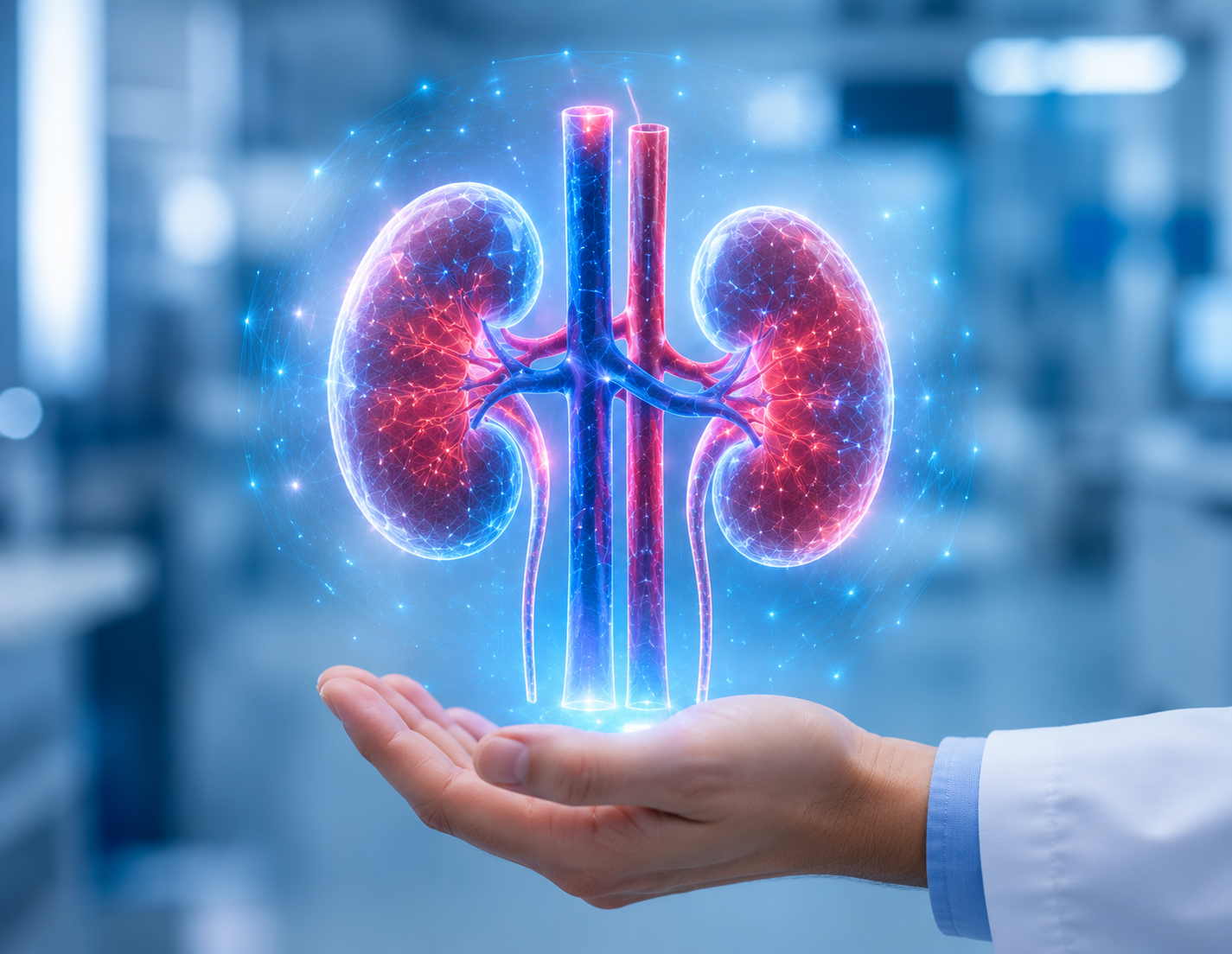
What Does the Nephrology Department Treat?
Our nephrologists diagnose and manage a wide range of kidney and urinary system conditions, including:
- Chronic kidney disease (CKD)
- Acute kidney injury
- Kidney failure requiring dialysis
- Kidney problems related to diabetes and high blood pressure
- Kidney infections and inflammation
Kidney Conditions Treated by Our Nephrologists
Chronic Kidney Disease (CKD)
Long-term kidney damage that requires early detection, regular monitoring, and preventive care to slow disease progression.
Acute Kidney Injury
Sudden loss of kidney function due to infection, dehydration, or medications, requiring urgent medical attention.
Diabetic & Hypertensive Kidney Disease
Kidney damage caused by uncontrolled diabetes and high blood pressure, managed through lifestyle changes and medical treatment.
Kidney Failure
Advanced kidney disease where dialysis support is required to perform the kidney’s function.
Nephrology Procedures & Treatments Available
-
Dialysis (Blood Cleaning)
Dialysis helps remove waste products, excess fluids, and toxins from the blood when the kidneys are unable to function properly. Our nephrology team provides hemodialysis, early assessment for dialysis needs, continuous patient guidance, and emergency dialysis management to ensure safe and effective treatment.
-
Vascular Access for Dialysis
Safe and reliable vascular access is essential for successful dialysis. We provide temporary catheters for emergency situations and AV fistula/AV graft creation for long-term dialysis patients, along with expert monitoring to minimize complications.
-
Kidney Biopsy
A kidney biopsy helps determine the exact cause of kidney disease and supports accurate treatment planning. The procedure is performed under expert supervision with a strong focus on patient safety and comfort.
-
Plasmapheresis
Plasmapheresis is an advanced blood purification procedure used to remove harmful antibodies from the bloodstream. It is commonly recommended for autoimmune kidney disorders and rapidly progressive kidney diseases, helping improve treatment outcomes./p>
Symptoms That Should Not Be Ignored
Early signs of kidney disease are often silent. Seek medical attention if you notice:
- Swelling of feet, legs, or face
- Reduced urine output
- Fatigue and weakness
- Persistent high blood pressure
- Foamy or blood-stained urine

Why Choose Our Nephrology Department?
- Experienced nephrologists and trained dialysis staff
- Advanced dialysis facilities with patient-focused care
- Early detection and preventive kidney care programs
- Emergency management of critical kidney conditions
- Counseling and guidance for kidney transplant planning
Associated Specialists

Our Medical Departments
Our Pillars of Strength enabling US to provide YOU the BEST
A range of Specialized Healthcare Services ensures holistic health for you.
 Cardiology
 Dentistry
 Diabetologist
 Gastroenterology
 General Surgery
 Internal Medicine
 Nephrology
 Neurology & Neurosurgery
 Obstetrics & Gynecology
 Oncology & Oncosurgery
 Orthopaedics & Orthopaedic Surgery
 Paediatrics
 Radiology
 Urology
Doctors
Theatres
Service
Our Facilities
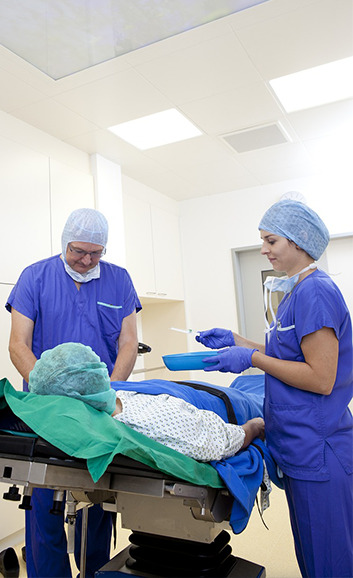
We have 4 Modern Operation Theatres, including 1 Neurosurgical Operation Theatre, & 3 General Operation Theatres for conventional and Laparoscopic surgeries, with Karl-Storz lap. equipment from Germany. We are well equipped with state-of-the-art medical equipment, accompanied with Centralised Medical Gas Supply System & Central Suction System.
We have a special OT set-up for Orthopaedic Surgeries, equipped with advanced digital surgico 60 H C-Arm with the latest image intensifier system, Pneumatic Drill from Switzerland, and other sophisticated equipment. All kinds of Orthopaedic Surgeries are done here by Senior Orthopaedic Surgeons on a regular basis.
Our Neurosurgery O.T. is well equipped with State-of-the-Art equipment for all types of surgeries related to Brain, Head injuries, & accident & trauma care, and is equipped with a Carl-Zeiss microscope. Our Neurosurgery Department is one of the most experienced and reliable units in the city.
Our Urology O.T. is well equipped for all types of Uro-surgeries.
Neurosurgical ICU
We have a well-equipped state of the art modern Neurosurgical I.C.U. with multiple ventilators, for patients requiring treatment for Accident, Stroke & Head injury. Open 24x7, our Neurosurgical ICU fulfils all criteria of Modern ICU emergency services as per the norms.
CCUs & MICUs
We have advanced intensive care units (ICU) for critically ill patients. We take utmost care to facilitate speedy recovery. Casualties from any medical field are prevented by having life support system and other advanced modalities. ICU is equipped with - Modern Multi-parameter Monitoring System, Ventilator, Infusion pumps, Defibrillator, Centralised Medical Supply and Centralised Suction Unit under the supervision of well-trained Anaesthetists and GNM Nurses available round the clock.
Neonatal ICU
We have an ultra-modern Neonatal ICU (Baby Room) equipped with incubators, monitors, infusion pump CPAP, APNEA monitor, Phototherapy unit with full-time experienced Paediatrician, and well trained GNM nurses, available 24 hours to take care of newborn & unwell infants.
We have a comprehensive OBGYN Intensive Care Unit under a Gynaecologist of our own.
We have a well-equipped state of the art modern Blood Bank for patients requiring Blood transfusion. The patients can avail this facility on 24 hours basis. Our Blood Bank fulfils all criteria of Modern Blood Bank services as per the norms of Drugs & Cosmetics Act & Rules.
24 x 7 Accident and Trauma Care with well equipped Casualty Unit
24 x 7 Pharmacy
24 x 7 Reception Desk to better assist our Patients.
1. The Hospital is equipped with an Effluent Treatment Plant (ETP) facility for safe disposal of waste water. The facility has been in-place and operational since inception, as per approval of Pollution Control Board, Assam
2. SSHRI has 2 Generators to provide 24 x 7 power back-up to the campus in the event of power-cuts.
3. SSHRI comes equipped with a Medical Gas Manifold Room, designated storage areas for emergency stocking of medical gas, and well-trained supervisors to look after the unit.
4. For BMW disposal, we have a tie-up with Assam Medical College Hospital for the use of their incinerator service.
5. Our Hospital has 2 ambulances, with all supporting facilities as per NABH guidelines, available 24x7 for transportation of patients. At least one driver is on stand-by at any given time of the day
a. For transportation of deceased, SSHRI has a tie-up with a local ambulance operator, thereby outsourcing this particular service
6. SSHRI has a mortuary facility in-house.
FAQs
Answer:
You should consult a nephrologist if you experience swelling in the legs or face, frequent changes in urination, high creatinine levels, long-term diabetes or high blood pressure, or symptoms of kidney stones or kidney infections.
Answer:
The Nephrology Department treats chronic kidney disease (CKD), kidney stones, kidney infections, electrolyte imbalances, diabetic kidney problems, and high blood pressure that affects kidney function.
Answer:
Chronic Kidney Disease (CKD) is a gradual loss of kidney function over time, often associated with diabetes or hypertension. It may not cause noticeable symptoms in its early stages, making regular monitoring important for slowing disease progression.
Answer:
Kidney health is commonly evaluated through blood tests such as creatinine and urea levels, urine examinations, ultrasound or other diagnostic imaging, and regular blood pressure monitoring.
Answer:
While not all kidney diseases can be prevented, the risk can be reduced by controlling blood sugar and blood pressure, staying hydrated, avoiding unnecessary use of painkillers, and maintaining a healthy diet and lifestyle.
Answer:
You should see a doctor if you experience severe back or abdominal pain, a burning sensation during urination, blood in the urine, or nausea and vomiting associated with pain.
Answer:
A nephrologist helps monitor kidney function in people with diabetes, prevents diabetic kidney complications, guides medication and lifestyle modifications, and supports long-term kidney health.
Answer:
You can keep your kidneys healthy by staying hydrated, reducing salt intake, avoiding smoking and excessive alcohol consumption, exercising regularly, and undergoing routine health screenings.
Answer:
High blood pressure can damage the tiny blood vessels in the kidneys, reduce their ability to filter waste effectively, and increase the risk of developing chronic kidney disease.
Answer:
Improving kidney health involves drinking adequate water, maintaining a healthy weight, limiting processed foods, following a doctor-recommended diet, and taking prescribed medications regularly.
Answer:
Kidney function should generally be checked every 3 to 6 months in high-risk patients, while stable individuals may require annual check-ups or follow the schedule recommended by their nephrologist.
Answer:
Yes, uncontrolled diabetes can damage the kidneys' filtering units over time. Regular monitoring and early treatment are important to help slow the progression of kidney disease.